

Haunted Places In Varanasi: Ghost Stories, Scariest Spots & Chilling Legends
- MWS
- December 11, 2025
- No Comments
Varanasi, also called Kashi or Banaras, is not just a city you visit. It is a city you feel. It is Also Known as the spiritual capital of India; Varanasi attracts seekers, pilgrims, philosophers, and wanderers from across the world. Still, there is one more side left that is deeply fascinated by centuries of death, belief, trauma, and folklore.
This is where stories of haunted places in Varanasi are born.
Unlike modern haunted cities built on isolated tragedies, Varanasi has lived with death for thousands of years. People come here to die, to attain moksha, and to leave the cycle of rebirth forever. That proximity to mortality has created an atmosphere where the boundary between the living and the dead feels unusually thin. Locals do not treat ghosts as entertainment. They see them as unresolved echoes—souls, energies, or memories that did not dissolve peacefully.
Varanasi does not scream its horror. It whispers it.
Table of Contents
ToggleHaunted Places In Varanasi
Varanasi is the place where locals see funerals openly. People believe the city leads souls to moksha, and that some belief fills the streets with powerful spiritual energy. There are many places to visit across Varanasi, but some carry stories of the supernatural. Locals talk of haunted cremation ghats, quiet bridges, abandoned forts, and old havelis, each with its own tragedy.
These stories do not come from guidebooks. People there have whispered warnings. A sudden chill on a ghat, a strange sound near an old well, or a moving shadow after dark gains meaning through belief. In Varanasi, fear grows from atmosphere and history, not proof. The ghats, alleys, and buildings feel haunted because they hold centuries of human emotion—life, loss, and final rest.
What Ghost Stories In Varanasi Are Commonly Shared By Locals?
Ghost stories in varanasi reflects the city’s culture and spirituality; many ghost tales are connected with famous ghats, temples, and religious practices, which makes them feel real to locals.
- Many stories are connected with souls that have not achieved moksha and so they remain trapped and could not find peace
- In a sacred city like Kashi, this is seen as a great tragedy, making the hauntings feel stronger.
- Some tales also act as warnings, reminding people, especially locals, to perform proper rites and rituals.
The ghost stories of Varanasi are not only to scare people, but they also reflect deeper meaning, and they teach lessons about life, death, and spiritual responsibility.
Discuss How Ghost Stories In Varanasi Are Passed Down Through Generations
Ghost stories in Varanasi survive through generations verbally. Families pass them down the same way they pass down prayers or rituals. A grandmother warns her grandchildren not to linger near a certain ghat at night. A boatman recounts something his father once witnessed on the river after midnight.
The stories rarely start dramatically. They begin quietly:
“Something happened here once…”
This method of storytelling keeps the legends alive and deeply personal. No written record exists. Belief sustains them.
People describe shadows that move on their own, footsteps in empty corridors, soft crying or chanting from abandoned buildings, and figures near the riverbanks that disappear when approached. These spirits rarely cause harm; instead, they leave witnesses with a deep sense of sadness, heaviness, and emotional unease, where fear comes as much from empathy as from terror.
Locals in varanasi rarely share their stories with visitors, as they believe that taking their name or talking about them in a free way will attract attention, while others feel these tales are part of the city’s spiritual identity and should not turn into a spectacle. So people locally maintain silence. which helps in strengthening their belief when even residents hesitate to speak, listeners pay closer attention.
Where Are Haunted Places In Varanasi Rumored To Be Located?
Different locations in varanasi has its own type of stories, reflecting their historical and cultural use of that area. The Haunted Places In Varanasi are connected to the landscape, meaning residents often live, work, and pray right next to a rumored spot, accepting their fate as part of their daily reality.
People believe the ghats, especially cremation ghats, feel haunted because life and death meet there. Old bridges carry stories of people who died in the river, while ancient forts recall battles and killings. In the inner city, abandoned havelis are said to hold the spirits of their former owners.
These stories grow because Varanasi blends deep spirituality with a tragic past. The city promises liberation, yet it has seen war, disease, and loss. According to belief, souls who die in pain may remain behind, making sacred places feel unsettling.
Why Is Manikarnika Ghat Linked To Supernatural Legends?
Manikarnika Ghat is one of the most famous Haunted Places In Varanasi. Cremations happen here day and night, linking the world of the living with the world of the dead. The constant fire, smoke, and silence create a heavy, eerie atmosphere that naturally inspires ghost stories.
- Locals believe that there are some souls left that die suddenly and they have some purpose, or if they die without proper rituals,
- People report that there are whispers and shadows seen and soft voices coming near the river at night
- For Hindus, Manikarnika Ghat is sacred and grants moksha (liberation).
- The ghost stories reflect human fear of death, not religious beliefs
Why Is Assi Ghat Considered Disturbing At Night By Locals?
Assi Ghat lies at the southern end of Varanasi, where the Assi River meets the Ganges. During the day, it feels calm and lively, with people attending morning aarti and cultural events. But after dark, locals find Assi Ghat disturbing because the atmosphere changes completely.
When tourists and vendors leave, deep silence covers the wide steps. People say the river sounds fade, and an unnatural stillness takes over. Locals report strange experiences like sudden cold air, footsteps with no one around, or a strong feeling that someone unseen is nearby. These are not clear ghost sightings but unsettling “vibes.”
At night, isolation changes how the ghat feels. The large steps turn dark, the river looks endless, and the emptiness makes people feel small and exposed. This creates fear through silence and shadow, not visible spirits.
Assi Ghat is safe and active during the day and remains one of the city’s most loved places. Its eerie reputation comes from folklore and the human reaction to quiet, making it one of the psychologically unsettling Haunted Places In Varanasi.
Call us today to visit kashi
Are There Ghosts In Manikarnika Ghat?
The question “Are there ghosts in Manikarnika Ghat?” is one that crosses the mind of any visitor aware of the city’s folklore. Scientifically, there is no proof of ghosts. Culturally and locally, the belief is undeniable. The continuous cycle of life and death, visible in real-time, makes it easy for the human mind to overlay spiritual anxieties onto the physical space
The cultural and emotional reasons behind ghost associations are powerful. The ghat is the final point for millions of souls, carrying the immense weight of human sorrow, faith, and relief. Locals see spirits at Manikarnika Ghat as signs of deep emotional energy, not just ghosts. They believe these spirits represent souls that did not find peace. This feeling makes the ghat one of the most talked-about Haunted Places In Varanasi.
Religion sees Manikarnika as holy and a place of moksha. Fear stories come from human emotions about death, not from faith. These tales help people reflect on life, death, and liberation.
Is It Safe To Visit Manikarnika Ghat At Night?
For a first-time visitor, the darkness, constant flames, and ghost stories can be intimidating. visitors should be aware of certain safety concerns, such as isolation and restricted access in certain areas. Physically, the ghat area is generally safe, with a constant presence of workers, priests, and pilgrims. Walking alone in Haunted Places In Varanasi. Especially on the upper levels or side lanes late at night is not recommended, not due to supernatural risk, but due to basic precautions in a crowded, intense city. follow basic precautions:
- Avoid isolated lanes
- Respect restricted areas
- Never photograph cremations
What Is The Haunted Temple Theory Linked To Varanasi?
Varanasi has thousands of temples, and some of the older, quieter ones carry tales of the supernatural. People believe these temples feel haunted because they hold strong spiritual energy or have been abandoned for years. These temples do not host typical ghosts but give an intense, powerful presence that can overwhelm outsiders.
- Many stories talk about fierce deities or holy sages who once meditated in these temples. Bhooteshwar Nath Temple is believed to attract spirits, as it is dedicated to Lord Shiva, the master of ghosts.
- Kal Bhairav Temple is famous, whose intense energy is said to unsettle visitors.
- Their presence leaves a lasting spiritual energy that some people interpret as ghostly.
- Practices like Tantra, meditation, and other ascetic rituals add to the temple’s powerful atmosphere.
- Outsiders often mistake this strong spiritual energy for haunting.
These temples are considered some of the quiet but powerful Haunted Places In Varanasi, where mysticism and history create a fascinating experience.
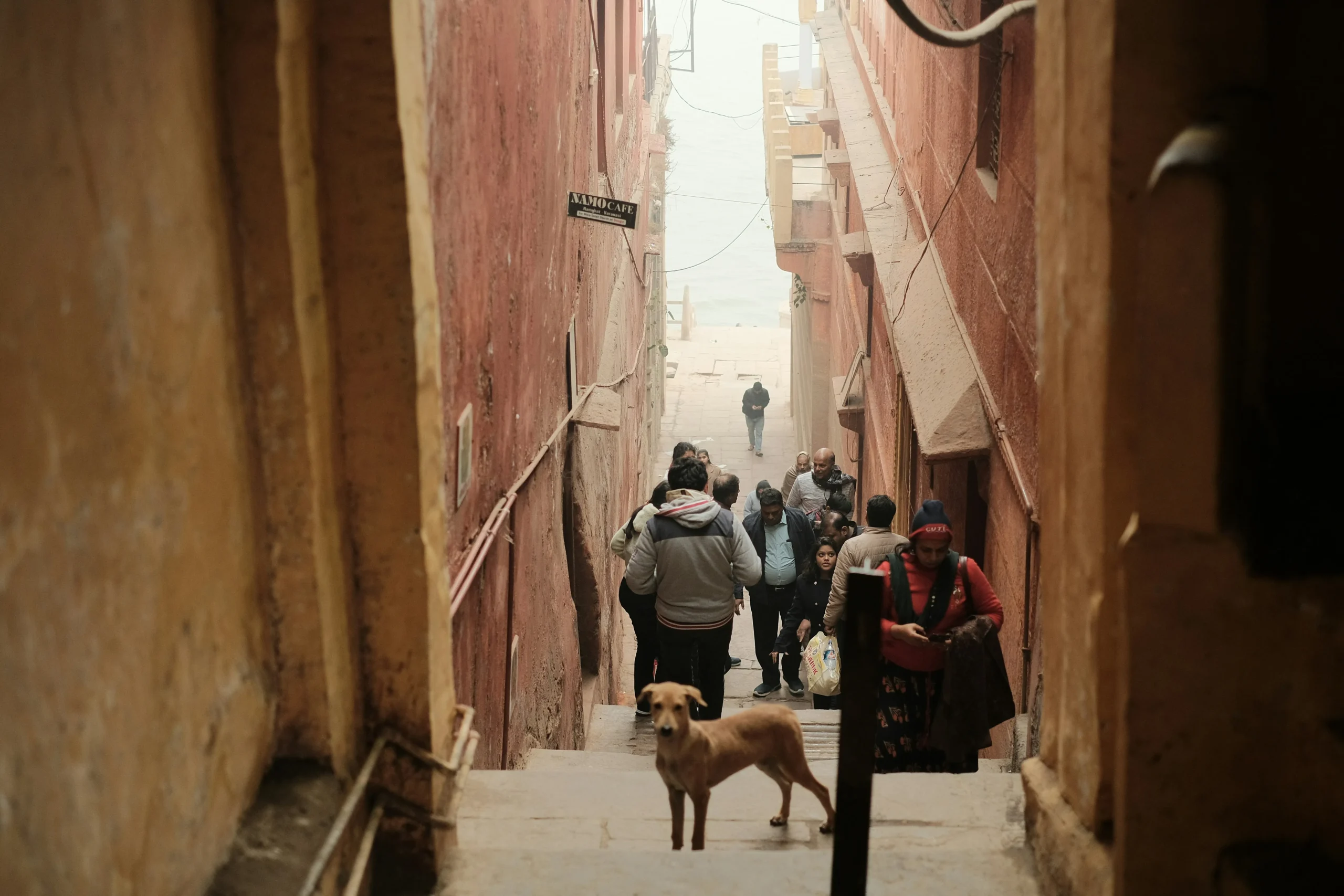
Can You Take Guided Tours To Haunted Places In Varanasi?
The global interest in paranormal tourism has not entirely bypassed Varanasi. While the city does not have official, commercial ‘ghost tours’ in the Western sense, you can certainly find ways to explore You can join informal storytelling walks led by local historians, students, or long-time residents. These walks focus on sharing old stories and local folklore, not on chasing ghosts. They usually happen at dusk or late at night and take you through narrow lanes and quiet ghats.
Cultural walks in Varanasi differ from typical ghost tours. These walks focus on respect, history, and local beliefs, not on proving that ghosts exist. Guides explain why stories started, based on faith, history, and philosophy. The focus stays on the legends, not on frightening experiences. This approach helps visitors understand and respect the sacred nature of the city
Visitors exploring Haunted Places In Varanasi should follow responsible tourism practices. Stay quiet and respectful near cremation areas, avoid taking unauthorized photos, and be mindful of local beliefs. These legends are part of the city’s living culture and deserve careful respect, not casual curiosity.
Call us today to Visit kashi
Are Haunted Places In Varanasi Linked To Historical Events?
The strongest and most compelling stories of haunting in Varanasi are deeply tied to the city’s long and turbulent past. Varanasi has witnessed countless invasions, wars, and catastrophic events, leaving scars that echo in its legends. Historical trauma forms the backbone of many ghost stories, and locals often link these tales to real events that shaped the city.
Wars, deaths, and sudden abandonment create fertile ground for supernatural narratives. For example:
- Mughal invasions and battles for control over Varanasi caused widespread bloodshed, especially around forts and important temples.
- Once-grand havelis abandoned due to epidemics, family curses, or sudden tragedies are said to house sorrowful spirits of their former occupants.
- Collapsed buildings, sealed wells, and deserted alleys gain a haunting reputation when their past is forgotten or mysterious.
In Varanasi, many historical events lack clear records, leaving gaps that folklore naturally fills. A ruined fort or an empty mansion becomes more than just an old structure—it becomes a symbol of hidden tragedy. Local stories give meaning to these silent spaces, often making the supernatural explanation feel stronger and more memorable than the simple historical facts.
Ghost stories near the river, in abandoned forts, or in old havelis help communities process past grief and trauma.
Folklore transforms these spaces into lessons about life, death, and the human experience, while preserving memories that history alone cannot capture.
The tales of Haunted Places In Varanasi are therefore both a spiritual reality for many and a rich cultural study. They show how history, architecture, and deep religious devotion combine to create one of the world’s most compelling destinations for travelers, historians, and anyone curious about the unseen side of life and death.
Frequently Asked Questions About Haunted Places In Varanasi
Some of the places rumored to be haunted in Varanasi include Manikarnika Ghat, which is the main cremation ground; certain sections of Assi Ghat after dark; the desolate grounds of Ramnagar Fort across the river; and several old, abandoned Shanivari Kothi and havelis (mansions) in the inner city alleys.
Manikarnika Ghat is often called the scariest ghat in Varanasi. It is always active as a cremation ground, with eternal flames and stories of restless souls seeking moksha. These make its atmosphere very strange, especially at night.